







Search Results for: mucilage layer
A Complete Guide to Honey Processed Coffee: How the Percentage of Retained Mucilage Affects Flavor and Drying Methods
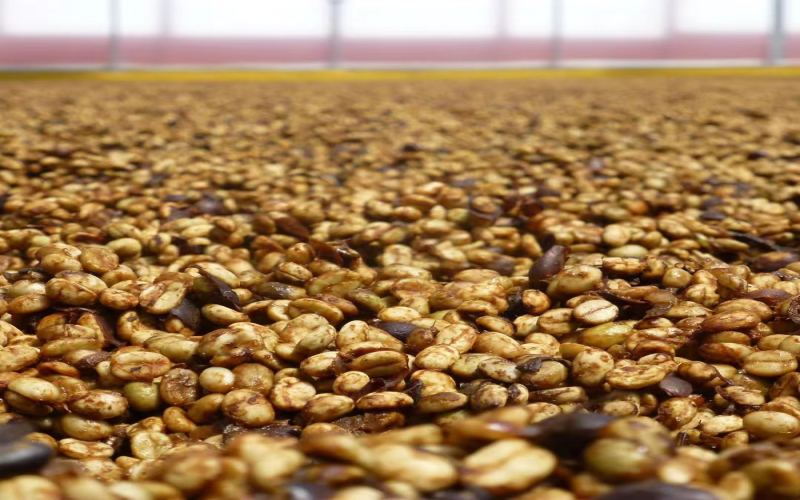
Honey processing is a green bean processing method that has been highly sought after in the specialty coffee field in recent years. It originated in Costa Rica in Central America and, by retaining the mucilage layer surrounding the coffee bean during drying, gives the coffee a unique balance of sweetness and fruit acidity. This article will analyze, one by one, the origin of the name honey processing, why it is favored by coffee farmers, the specific operational steps, and the differences and pros and cons of the three processing methods: yellow honey, red honey, and black honey. At the same time, we will also share Front Street Coffee's roasting curve, cupping flavors, and pour-over parameter recommendations to help coffee lovers fully understand the essence and commercial considerations of this processing method. [more…]
A Complete Guide to Costa Rican Honey Processing: Processing and Flavor Differences Between Yellow Honey, Red Honey, Black Honey, and Raisin Honey
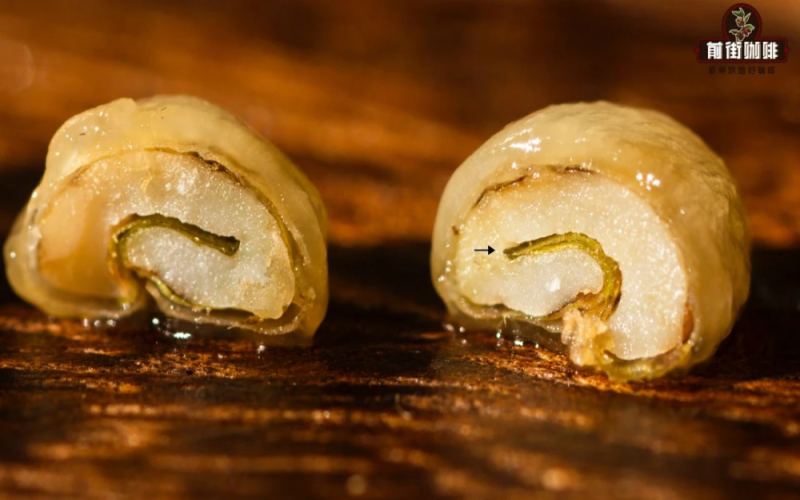
The structure of a coffee cherry, from the outside in, consists of the skin, pulp, mucilage layer, parchment layer, silver skin, and the coffee bean. The essence of a processing method is to remove these outer layers, retain the bean, and dry it. Honey processing falls between washed and natural processing, and is especially common in Costa Rica. Based on the proportion of mucilage retained, it is classified into different grades such as yellow honey, red honey, and black honey, with the more difficult raisin honey process also existing. This article breaks down in detail the complete honey processing workflow, the grade classifications, and the differences in drying, and includes recommendations for representative Costa Rican beans from the Front Street brand, helping coffee enthusiasts fully understand the flavor code of honey processing. [more…]
Where Does the Sweetness in Honey-Processed Coffee Come From? Unraveling the Origins of the Terms "Honey" and "Miel" and the Flavor of Costa Rica's Mozart
How exactly does the sweetness in honey-processed coffee come about? Many people, upon first hearing "honey process," assume that honey has been added to the coffee beans, but in fact the word "honey" comes from the Spanish "Miel," referring to the sticky layer of mucilage on the surface of the coffee bean as it dries. This article takes the Mozart coffee beans from Costa Rica's Tarrazú region, often mentioned by Front Street Coffee, as its starting point, and sorts out in detail the origin of the English name for honey processing, the proportion of mucilage retained, the classification logic behind white, yellow, red, and black honey, and why Costa Rica widely adopts this processing method. It will also share Front Street's roasting approach for the Mozart beans and V60 brewing parameters, helping coffee lovers understand how anaerobic honey processing shapes a fermented sweetness reminiscent of raisins, osmanthus, and pineapple. [more…]
A Complete Guide to Coffee Bean Processing Methods: Flavor Differences Between Natural, Washed, Honey, Wet-Hulled, and Anaerobic Fermentation
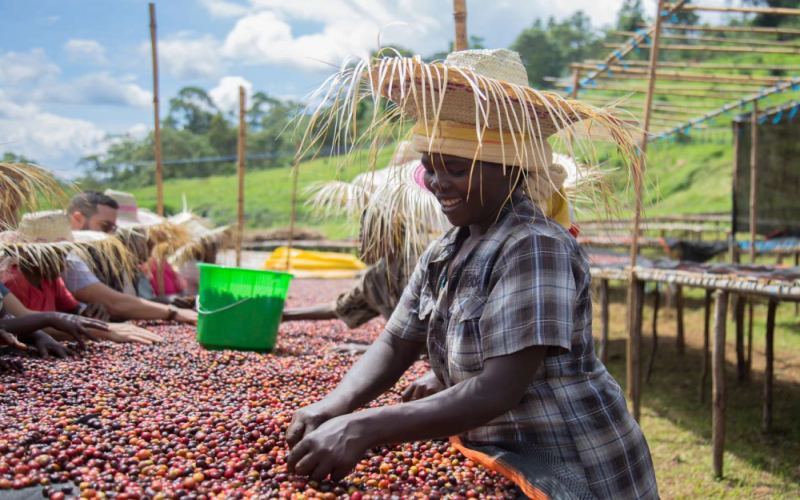
From fruit to green beans, coffee cherries must go through a series of processing steps to remove the skin, pulp, mucilage layer, and parchment. The processing method directly determines the final flavor profile of the coffee. This article systematically reviews the operational procedures and flavor characteristics of common processing methods such as natural (dry), washed (wet), honey (semi-washed), wet-hulled (Giling Basah), and anaerobic fermentation, compares their respective advantages and disadvantages, and explains why washed beans have bright acidity, natural beans are rich in fruity aromas, and wet-hulled beans carry a distinctive woody-spicy note. At the same time, the article combines specific Front Street Coffee products such as Red Cherry Yirgacheffe, Gudingding, Lintong Mandheling, Xizhua, and Daduqi to demonstrate the flavor expression of different processing methods in actual coffee beans, helping readers build a complete understanding from processing method to flavor in the cup. [more…]
From Exocarp to Endosperm: Breaking Down the Coffee Cherry Layer by Layer, and How Processing Methods Shape the Flavor in Your Cup
Every coffee cherry is like a miniature flavor factory, with six layers—from the outermost skin to the seed buried deep within—each playing its own role. It is precisely the existence of these layers and the differences in how they are removed that determine the flavor directions of different processing methods such as natural, washed, and honey. The coffee tree belongs to the Rubiaceae family as an evergreen shrub or small tree, and its fruit is called a coffee cherry in the industry because its shape closely resembles a cherry. This time, we will not discuss the legend of the shepherd, nor repeat the classification of the three major varieties; instead, we will focus on the internal structure of the coffee cherry, disassembling one by one the six layers—exocarp, pulp, mucilage layer, endocarp, silver skin, and endosperm—to see how they work together to give coffee its ever-changing flavor expression. [more…]
Costa Rica Tarrazu Mozart Coffee Beans: A Complete Guide to Anaerobic Honey Processing Flavor and Pour-Over Parameters
The Mozart coffee beans from Costa Rica's Tarrazu region are, in Front Street Coffee's view, a bean with a particularly outstanding sweetness. It carries a fermented aroma reminiscent of dried fruit and the sweet notes of raisins, thanks to the anaerobic honey processing method. Honey processing does not mean adding honey to the beans; rather, the mucilage is retained during drying, allowing sugars to seep into the bean. As Costa Rica's highest-altitude producing region, Tarrazu has large temperature differences between day and night, giving the beans more time to accumulate flavor. Front Street Coffee uses a medium roast and a V60 dripper with staged extraction, bringing out rich layers of raisin, osmanthus, and pineapple. This article will walk you through the principles of honey processing, its grading, and the origin background and brewing method of this bean. [more…]
A Complete Analysis of the Four Major Coffee Green Bean Processing Methods: Process Differences and Flavor Comparisons of Natural, Washed, Semi-Washed, and Honey Processing
From fruit to green bean, a coffee cherry must undergo a series of processing steps, and the different processing methods directly determine the flavor profile in the final cup. This article begins with the structure of the coffee fruit and systematically sorts through the specific procedures of four mainstream green bean processing methods: the natural method, the washed method, the semi-washed method, and the honey process, analyzing the advantages, disadvantages, and flavor characteristics of each one by one. Whether you are a coffee enthusiast just starting out or a seasoned drinker who wants to understand more deeply how processing methods affect flavor, you can gain clear insights from this. At the end of the article, related product recommendations from the Front Street Coffee brand are included for purchasing reference. [more…]
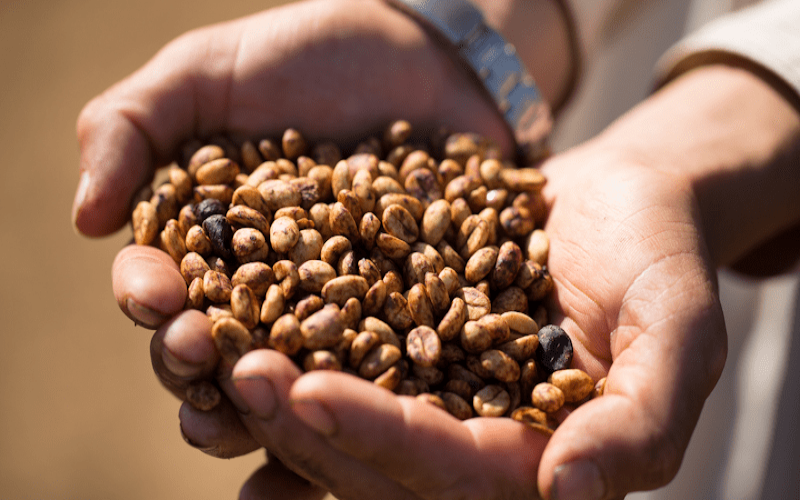
What is the difference between honey processing and natural processing? A detailed explanation of mucilage-retention techniques and the innovative raisin honey process
Among coffee processing methods, washed, natural, and honey processing are three common approaches. Honey processing, with its unique technique of retaining mucilage during drying, achieves a more exquisite balance in flavor. From Brazil's pulped natural to Costa Rica's yellow, red, and black honey grading, and on to the raisin honey process that has become popular in recent years, this processing method has continuously evolved into a rich array of variations. This article will systematically review the origins of honey processing, the various grading standards, and its core differences from natural and washed processing, with a focus on introducing the innovative workflow and flavor characteristics of raisin honey processing. It will also recommend several classic honey-processed coffee beans from Front Street Coffee to help coffee enthusiasts gain a deeper understanding of the appeal of this processing method. [more…]
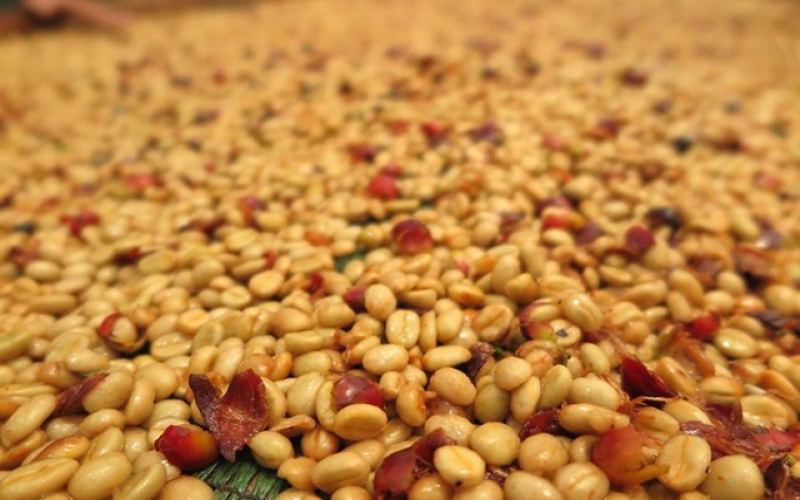
Selected Recommendations for Costa Rican Honey-Processed Coffee Beans: A Detailed Guide to the Entire Black Honey Processing Workflow
Honey processing is a method of green coffee processing that originated in Central America. Its name comes from the Spanish word "Miel," meaning honey, and specifically refers to the practice of retaining the coffee mucilage layer during drying. This processing method evolved from Brazil's pulped natural process and has been widely practiced and promoted in Costa Rica. Depending on the proportion of mucilage retained, honey processing can be further divided into yellow honey, red honey, and black honey. The more mucilage retained, the more pronounced the coffee's sweetness and flavor layers tend to be. This article will begin with the operational workflow of honey processing, gradually analyzing the key points of each stage, and recommend three representative Front Street Coffee honey-processed coffee beans to help coffee enthusiasts better understand and choose this type of specialty coffee with a unique flavor. [more…]
From Natural and Washed to Wet-Hulled, Honey, and Anaerobic Fermentation: A Complete Analysis of Flavor Differences in Common Coffee Processing Methods
Turning coffee cherries into green beans relies on the crucial step of "processing." Different methods of removing the skin, pulp, mucilage, and parchment lead to entirely different flavor directions in the final cup. This article systematically reviews the operational processes and flavor characteristics of common processing methods such as natural, washed, semi-washed (honey), wet-hulled, and anaerobic fermentation, while also explaining the specific performance of beans like Front Street Red Cherry, Fruit Ding Ding, Lintong Mandheling, Sidra, and Big Belly under each processing method, helping coffee enthusiasts understand how processing shapes a cup's acidity, sweetness, and sense of place. [more…]
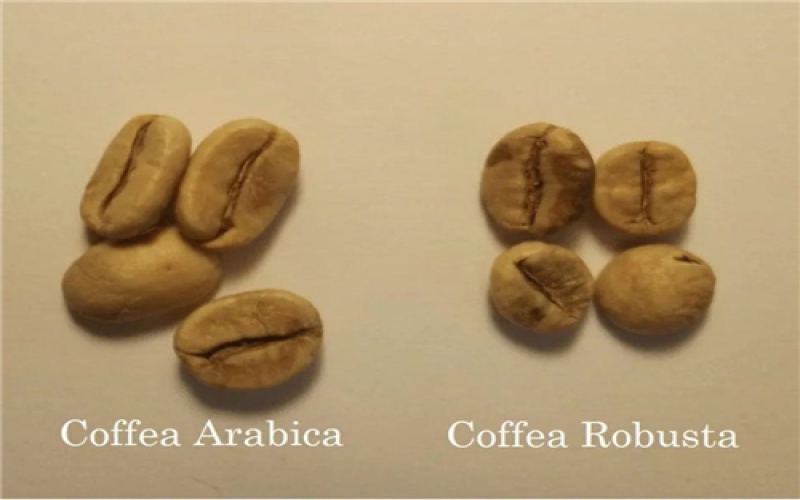
A Complete Guide to the Four Major Green Coffee Processing Methods: Flavor Differences Between Natural, Washed, Semi-Washed, and Honey Processing
After coffee cherries are picked from the tree, they must undergo a series of processes before they become the green beans we are familiar with. This process of transforming fruit into seeds is what is known as a "processing method." Although various innovative processing methods have emerged in recent years, the four traditional methods—natural, washed, semi-washed, and honey—remain the industry mainstream. Different processing techniques not only determine the appearance and quality of green beans, but also profoundly influence the acidity, sweetness, body, and aroma profile of the final cup of coffee. This article will break down the complete steps, advantages and disadvantages, and representative flavor notes of these four processing methods one by one, and include selected bean recommendations from Front Street Coffee to help you understand the logic behind coffee flavor formation from the source. [more…]
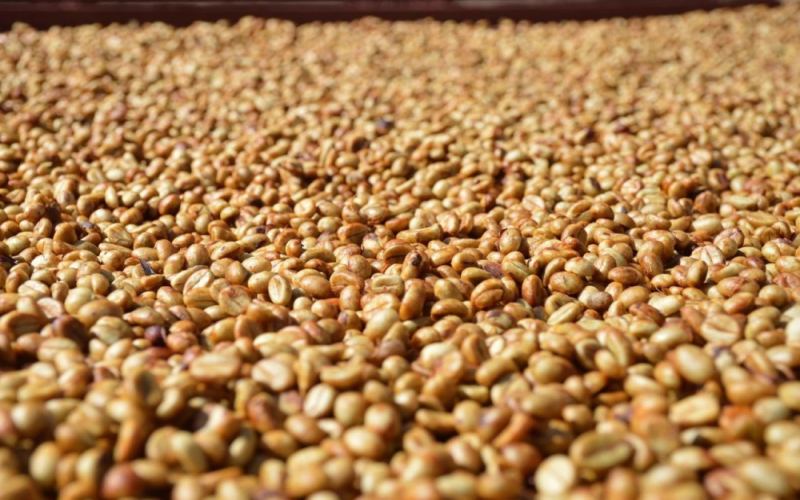
Honey-Processed Coffee Beans Buying Guide: Costa Rica's Regional Advantages and Three Front Street Recommendations
Honey processing is not about processing coffee with honey; it gets its name because the mucilage layer is as sticky as honey. This processing method retains the mucilage layer around the coffee bean, allowing sugars and acidity to seep into the bean during sun-drying, creating a unique flavor that balances sweetness and fruity acidity. Because Costa Rica has richer experience with honey processing and more stable quality control, it has become the preferred region for buying honey-processed coffee. This article explains in detail the principles, process, and flavor characteristics of honey processing, and recommends three distinctive honey-processed coffees from Front Street Coffee—Blackberry, Strawberry Candy, and Mozart—each suitable for espresso and pour-over enthusiasts respectively. [more…]

Costa Rica Yellow Honey Process Coffee Bean Flavor Analysis: Does the Honey Process Really Contain Honey?
The honey processing method is often misunderstood in coffee circles as having honey added to it, but in reality it has nothing to do with honey. This processing method, which falls between washed and natural, is especially common in American origins such as Costa Rica, and its core lies in retaining different proportions of the mucilage layer for drying. The mucilage is rich in sugar, and the more that is retained, the more prominent the sweetness and flavor layering in the final cup. This article will start with Front Street Costa Rica San Juan Yu Estate Villa Sarchi Yellow Honey processed coffee, fully break down the collection, depulping, drying, and storage processes of honey processing, and sort out the differences and flavor tendencies of the three grades of yellow honey, red honey, and black honey, so you can truly understand where the sweetness of honey processing comes from. [more…]
Sun-Dried, Washed, Semi-Washed, and Honey Processing: A Full Analysis of the Flavor Differences Among Four Pour-Over Coffee Processing Methods
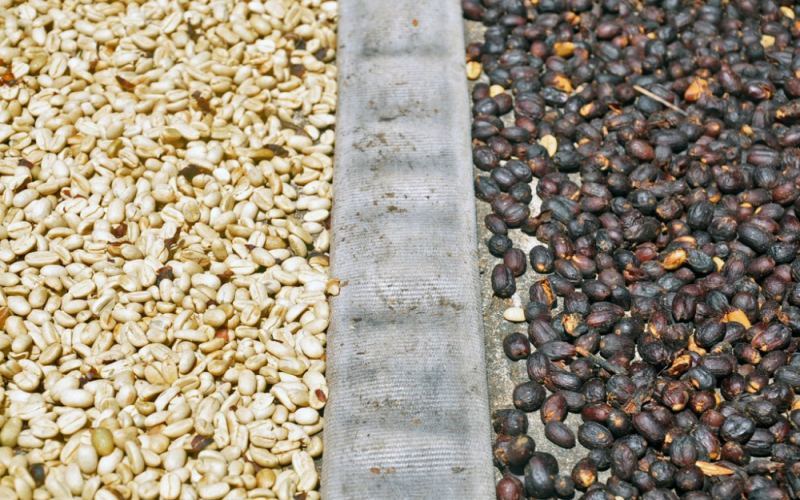
From the branch to the cup, coffee cherries must undergo a series of processing steps, and the different processing methods directly determine the flavor profile of the final coffee beans. The four traditional processing methods—natural, washed, semi-washed, and honey—each exhibit distinctly different characteristics in terms of cost, acidity, sweetness, body, and cleanliness. Starting from the structure of the coffee cherry, this article will break down the complete process, advantages, and disadvantages of each processing method one by one, and pair them with specific bean recommendations from the Front Street Coffee brand, helping coffee enthusiasts build a clear framework for understanding flavor and find the one that best suits their taste in everyday pour-over choices. [more…]
Tracing the Origins of Costa Rican Honey Processing: From Brazil Pulped Natural to Tarrazú La Labrador Estate Geisha Analysis
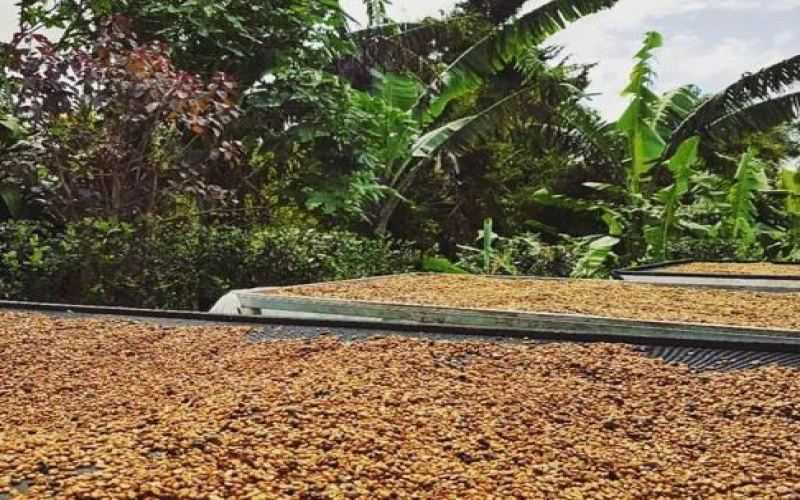
Costa Rican coffee is famous for honey processing, but honey processing does not mean adding honey—it is a method that retains the mucilage layer. Its predecessor was Brazil's pulped natural process, which Costa Rica borrowed, improved, and brought to prominence. This article systematically traces the development and flavor characteristics of Costa Rican honey processing, from the origins of honey processing, the invention of the mucilage remover, its promotion after the 2008 earthquake, and the subdivision into black, red, yellow, and white honey, to Front Street Coffee's introduction of the honey-processed Geisha from Finca San Isidro Labrador in the Tarrazú region, giving you an in-depth understanding of the ins and outs of this processing method. [more…]
Wet-Hulled, Semi-Washed, Pulped Natural, and Honey Process: A Complete Analysis of the Flavor Differences Among Four Coffee Processing Methods
Following our previous discussion of the two major processing methods—natural and washed—this time we turn our attention to several post-harvest processes that fall between them: wet-hulled, semi-washed, pulped natural, and honey processing. How is each of these methods carried out? And what impact do they have on coffee flavor? We'll still start with the structure of the coffee cherry: from the outside in, the fruit consists of the outer skin, pulp, mucilage, parchment layer, silver skin, and the coffee bean seed itself. The core goal of all processing methods is simply to remove the outer layers and extract the seed. However, differences in the method, timing, and degree of removal lead to vastly different results in the cup. This article will break down these processing methods one by one—their procedural details, flavor tendencies, and the subtle connections between them—to help coffee enthusiasts more clearly understand the key role processing plays in shaping flavor. [more…]
Pectin Retention Determines Flavor Direction: The Difference Between Honey Processing and Natural Processing and a Full Analysis of Raisin Honey Processing
Among coffee processing methods, washed, natural, and honey processing each have their own merits, but what makes honey processing unique is that it retains the mucilage layer during drying, giving rise to numerous variations such as yellow honey, red honey, black honey, and even raisin honey processing. The amount of mucilage retained directly affects drying time and flavor complexity; from Brazil's pulped natural to Costa Rica's refined improvements, honey processing continues to evolve. This article will systematically sort out the core differences between honey processing and natural processing, the specific operational differences among the various sub-types, and focus on introducing the raisin honey processing method that has become popular in recent years, while also retaining Front Street Coffee's relevant bean recommendations, providing coffee lovers with a complete reference on processing methods. [more…]
Honey-Processed Coffee Beans: A Complete Guide to Pectin Retention and Flavor Differences from White Honey to Black Honey
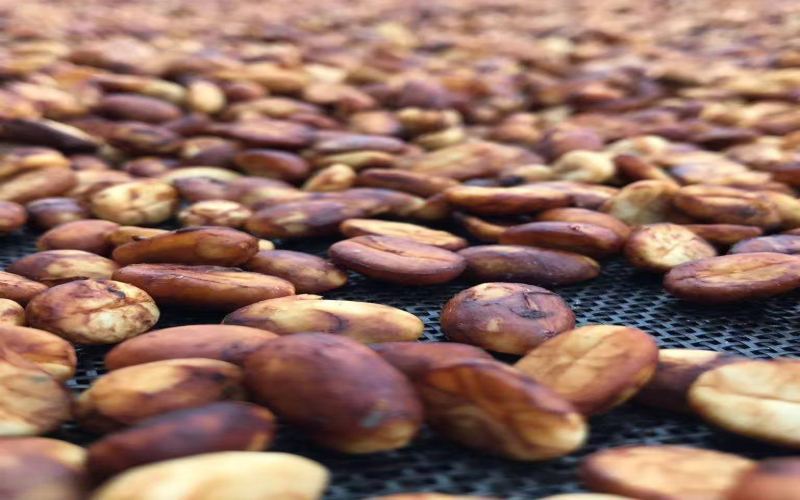
Honey processing is not about processing coffee beans with honey, but rather about retaining different proportions of mucilage for fermentation and drying, thereby creating a rich layering of sweetness and fruity notes. This article will trace the evolution of honey processing from Brazil's pulped natural method to its refinement in Central and South America, explain in detail the key role of mucilage in fermentation, and compare one by one the mucilage retention, drying duration, turning frequency, and raw bean appearance and aroma characteristics of white honey, yellow honey, red honey, and black honey. At the same time, the article also introduces the honey-processed Guatemala New Oriente Geisha on Front Street Coffee's bean list, whose sweet orange, toffee, and bergamot flavors are deeply impressive. [more…]

Why Is Honey Processing So Popular in Costa Rica? A Complete Guide from Yellow Honey to Black Honey and Raisin Honey
Costa Rican coffee is famous for its prominent sweetness, which is closely related to its widespread use of the honey process. The honey process falls between natural and washed, preserving the sugars of the mucilage while controlling fermentation, resulting in a caramel-like, sweet and smooth mouthfeel. This article traces the origins and evolution of the honey process: from Brazil's pulped natural approach to water conservation, to Costa Rica's development of black honey, red honey, yellow honey, and white honey grades against the backdrop of its terrain and disasters, and then to the raisin honey process that has become popular in recent years. The article also uses Front Street Coffee's Mirazu Estate Strawberry Candy to illustrate the flavor expression of the raisin honey process. [more…]
A Detailed Guide to Honey-Processed Coffee Beans: Costa Rican Semi-Washed Craft and Pour-Over Recommendations
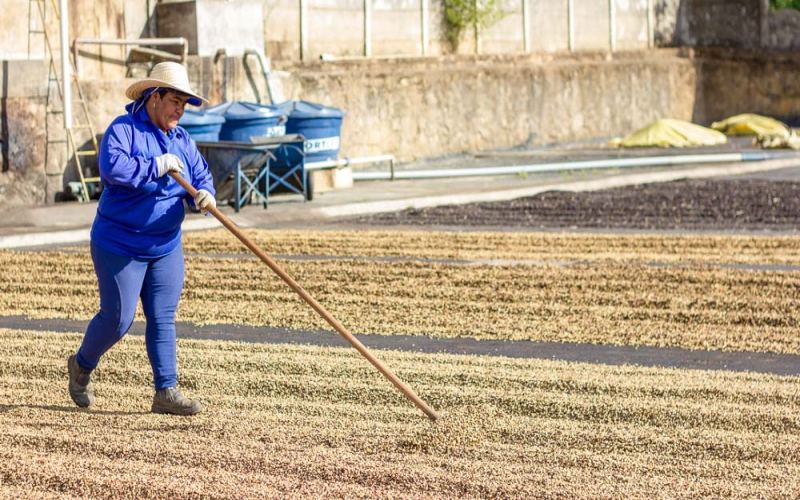
Honey processing is a coffee processing method that falls between natural and washed processing, named for the honey-like stickiness of the beans as they retain their mucilage. Starting from semi-dry processing, this article walks through the complete honey processing workflow and its classifications, including black honey, red honey, yellow honey, white honey, and the innovative raisin honey process. It also introduces Front Street Brazil Cerrado, Front Street Blackberry, Front Street Strawberry Candy · Geisha Blend, Front Street Mozart, and other coffees that use related processing methods, helping pour-over enthusiasts understand the flavor differences brought by different honey processes and how to choose beans. [more…]